Disclosure: Some links in this article are affiliate links. We may earn a commission if you purchase through these links, at no extra cost to you. We only recommend products we have personally vetted and believe in.
Caring for a senior dog requires attention to changing health needs, comfort modifications, and proactive veterinary care. This comprehensive guide helps you provide the best possible care for your aging canine companion.
Home Modifications for Senior Dogs
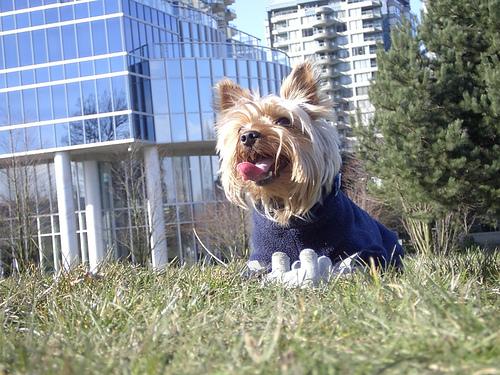
Simple home modifications can dramatically improve your senior dog’s comfort and quality of life. Provide orthopedic beds to support aging joints. Use carpet runners on slippery floors to prevent falls. Install ramps or pet stairs for furniture and vehicle access. Elevate food and water bowls for easier eating. Ensure easy access to outdoor elimination areas. Maintain consistent lighting for dogs with declining vision. Keep familiar routines to reduce confusion from cognitive decline.
Exercise and Mobility
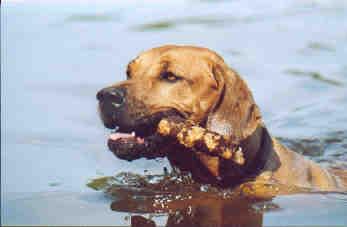
Senior dogs need regular, appropriate exercise to maintain muscle mass, joint flexibility, and mental wellbeing. Shorter, more frequent walks are better than long, infrequent ones. Choose soft surfaces like grass or trails over pavement for joint comfort. Swimming provides excellent low-impact exercise. Warm up slowly before activity and cool down afterward. Watch for signs of overexertion like excessive panting or lagging behind. Adjust exercise based on your dog’s individual abilities and health conditions.
Recognizing Pain and Discomfort
Dogs instinctively hide pain, making it challenging to recognize. Signs of pain include changes in posture (hunched back), reluctance to climb stairs or jump, stiff gait, reduced activity, changes in appetite, restlessness, panting without exertion, and behavioral changes like irritability or withdrawal. Regular pain assessments using tools like the Canine Brief Pain Inventory help track changes. Never give human pain medications without veterinary guidance.
End-of-Life Care and Quality of Life
Monitoring quality of life helps guide difficult decisions. Consider the HHHHHMM scale: Hurt, Hunger, Hydration, Hygiene, Happiness, Mobility, and More good days than bad. Track your dog’s interest in food, play, and interaction. Focus on comfort, pain management, and maintaining dignity. Discuss end-of-life options with your veterinarian before they become urgent. Palliative care can manage symptoms and maintain quality of life for remaining time.
Final Thoughts
Senior dog care focuses on comfort, appropriate exercise, pain management, and proactive veterinary care. Make home modifications to support mobility, monitor quality of life, and work closely with your veterinarian to manage age-related conditions.
Related Articles
 Continue reading these related articles for more helpful information:
- Best Dog Food for Senior Dogs: 2026 Guide
- Best Food for Senior Dogs: Complete Nutrition Guide
- Best Orthopedic Dog Beds for Senior Dogs
Shop Recommended Products on Amazon
We personally recommend the products we feature. As an Amazon Associate, we earn from qualifying purchases at no extra cost to you.
Amazon Pet Supplies
Best selection, fast Prime shipping on pet supplies