Disclosure: Some links in this article are affiliate links. We may earn a commission if you purchase through these links, at no extra cost to you. We only recommend products we have personally vetted and believe in.
Large and giant breed dogs have specific nutritional and health requirements that differ significantly from smaller dogs. Proper nutrition and care are essential for supporting their rapid growth phases and maintaining long-term joint and organ health.
Nutritional Requirements for Large Breeds
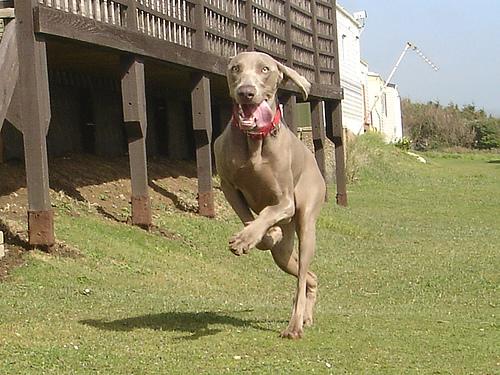
Large breed dogs require carefully balanced nutrition with controlled calcium and phosphorus levels for proper bone development. Excessive calcium during growth can cause skeletal abnormalities. Protein should be high quality but moderate in quantity — excessive protein during growth can accelerate growth rates and contribute to joint problems. Glucosamine and chondroitin support joint health. Omega-3 fatty acids help manage inflammation. Calorie content should be moderate to prevent rapid growth and obesity.
Large Breed Growth and Development
Large breed puppies grow rapidly and take longer to reach maturity — typically 18-24 months versus 9-12 months for small breeds. During this extended growth period, proper nutrition is critical. Growth should be steady and controlled rather than rapid. Large breed puppy foods have lower calorie density and controlled calcium to support appropriate growth rates. Hip and elbow dysplasia risks are influenced by genetics, nutrition, and exercise during the growth period.
Common Health Issues in Large Breeds
Large breed dogs are predisposed to hip and elbow dysplasia, arthritis, bloat (gastric dilation-volvulus), cruciate ligament tears, and certain cancers. Obesity increases the risk and severity of these conditions. Portion control and appropriate exercise are crucial. Bloat is a life-threatening emergency where the stomach twists on itself — feeding multiple small meals daily and avoiding exercise near mealtimes reduces risk. Regular veterinary screening helps detect issues early.
Final Thoughts
Large breed dogs need specialized nutrition, controlled growth rates, and preventive care for joint health. Choose large-breed-specific formulas, maintain lean body condition, and schedule regular veterinary screenings for breed-specific conditions.
Related Articles
 Continue reading these related articles for more helpful information:
- Best Dog Food for Large Breeds
- Best Dog DNA Tests: Breed & Health Screening
- Best Food for Small Dog Breeds: Complete Guide
Looking for more options? Browse top-rated dog accessories on Amazon.
Shop Recommended Products on Amazon
We personally recommend the products we feature. As an Amazon Associate, we earn from qualifying purchases at no extra cost to you.
Amazon Pet Supplies
Best selection, fast Prime shipping on pet supplies