Disclosure: Some links in this article are affiliate links. We may earn a commission if you purchase through these links, at no extra cost to you. We only recommend products we have personally vetted and believe in.
Raw feeding for cats has gained popularity among owners seeking a more species-appropriate diet for their obligate carnivore companions. However, raw diets carry specific risks for both cats and their human families. This guide provides essential safety information for raw cat feeding.
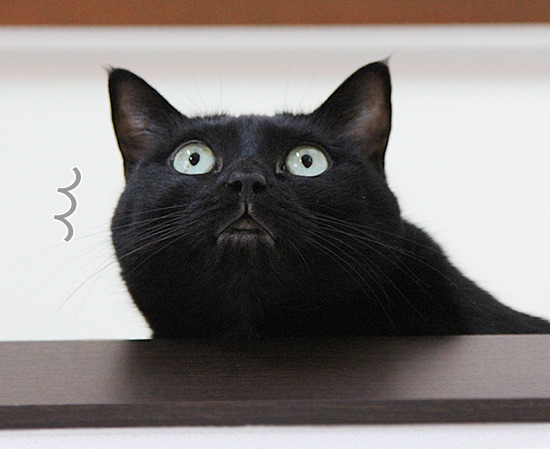
Cats as Obligate Carnivores
Cats are obligate carnivores, meaning their bodies are designed to thrive on animal-based nutrition. They require specific nutrients found only in animal tissues, including taurine, arachidonic acid, and preformed vitamin A. A raw diet of muscle meat, organs, and bones can theoretically meet these requirements, but careful formulation is essential to prevent nutritional deficiencies that can cause serious health problems.
Benefits of Raw Feeding for Cats
Proponents report improvements in coat condition, dental health, energy levels, and stool quality. Raw diets provide high moisture content essential for feline urinary health. The high protein, low carbohydrate profile aligns with cats’ natural metabolic needs. Some cats with food allergies or digestive issues improve on raw diets with novel proteins and minimal ingredients.
Critical Safety Considerations
Raw meat can contain pathogens including Salmonella, E. coli, Toxoplasma, and Listeria that threaten both cats and humans. Cats can shed these bacteria in their feces after consuming raw meat, creating household contamination risks. Nutritional imbalances are common with homemade raw diets. Taurine deficiency is particularly dangerous, causing blindness and heart disease. Raw fish can contain thiaminase that destroys vitamin B1. Consult a veterinary nutritionist for balanced recipes.
Commercial Raw Options vs Homemade
Commercial raw diets from reputable manufacturers are formulated to meet AAFCO standards and undergo safety testing including HPP (high-pressure processing) to reduce pathogen risk. These are safer and more nutritionally complete than homemade options. Homemade raw diets require careful supplementation and regular veterinary monitoring. Commercial options are more expensive but provide convenience and safety assurance.
Final Thoughts
Raw feeding can work for cats when done correctly with commercial raw diets from reputable manufacturers. Homemade raw diets carry significant nutritional and safety risks. Discuss raw feeding with your veterinarian and prioritize food safety for your family’s protection.
Related Articles
 Continue reading these related articles for more helpful information:
Looking for more options? Browse top-rated natural cat food on Amazon.
Shop Recommended Products on Amazon
We personally recommend the products we feature. As an Amazon Associate, we earn from qualifying purchases at no extra cost to you.
Amazon Pet Supplies
Best selection, fast Prime shipping on pet supplies